Fire Prevention
Common Kitchen Fire Mistakes in UK Rented Flats and How to Avoid Them
Common Kitchen Fire Mistakes in UK Rented Flats and How to Avoid Them
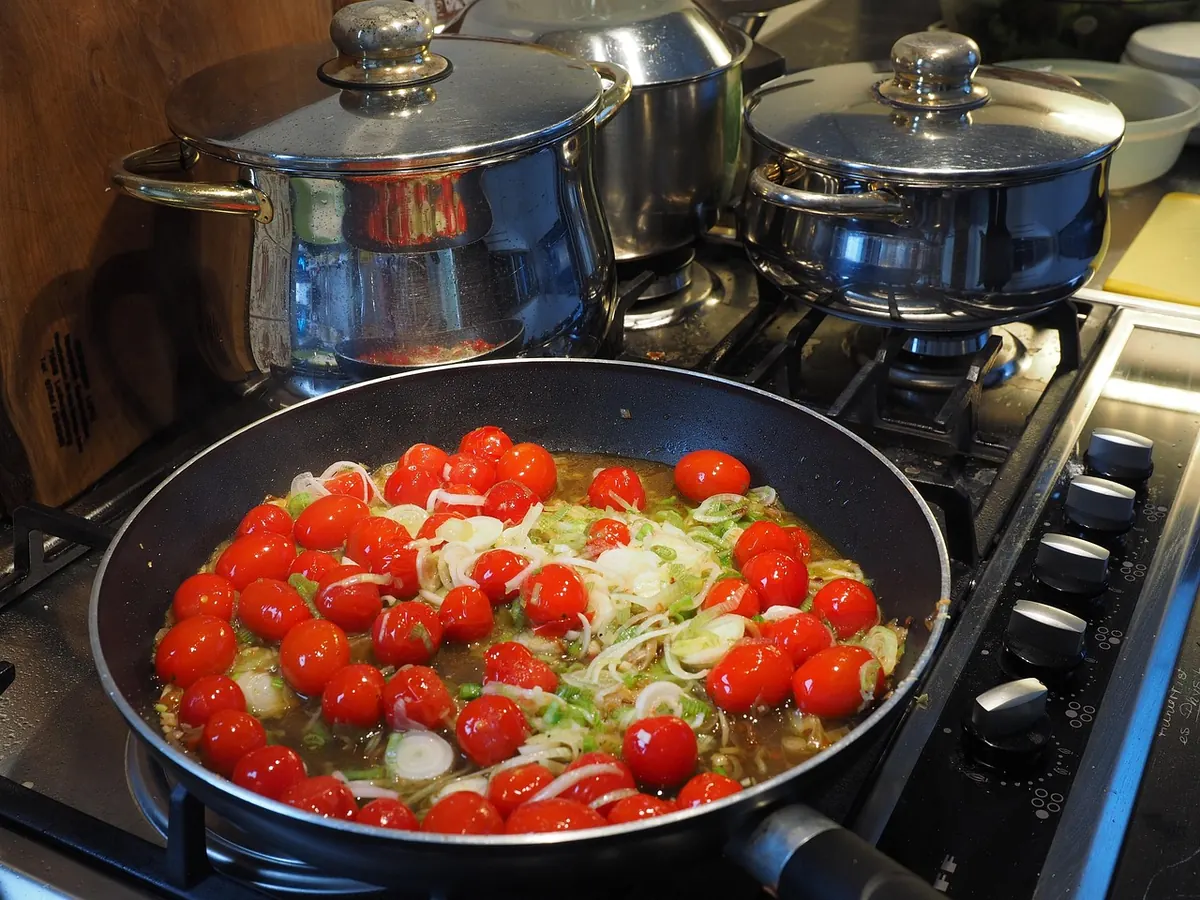
Most kitchen fires in rented flats start with something ordinary. A pan left on the ring while you answer the door. Chips that go from golden to smoking while you check your phone. A grill switched on for a snack, then forgotten while you get in the shower. None of these moments feel dangerous at the time. That is exactly why they cause so many fires.
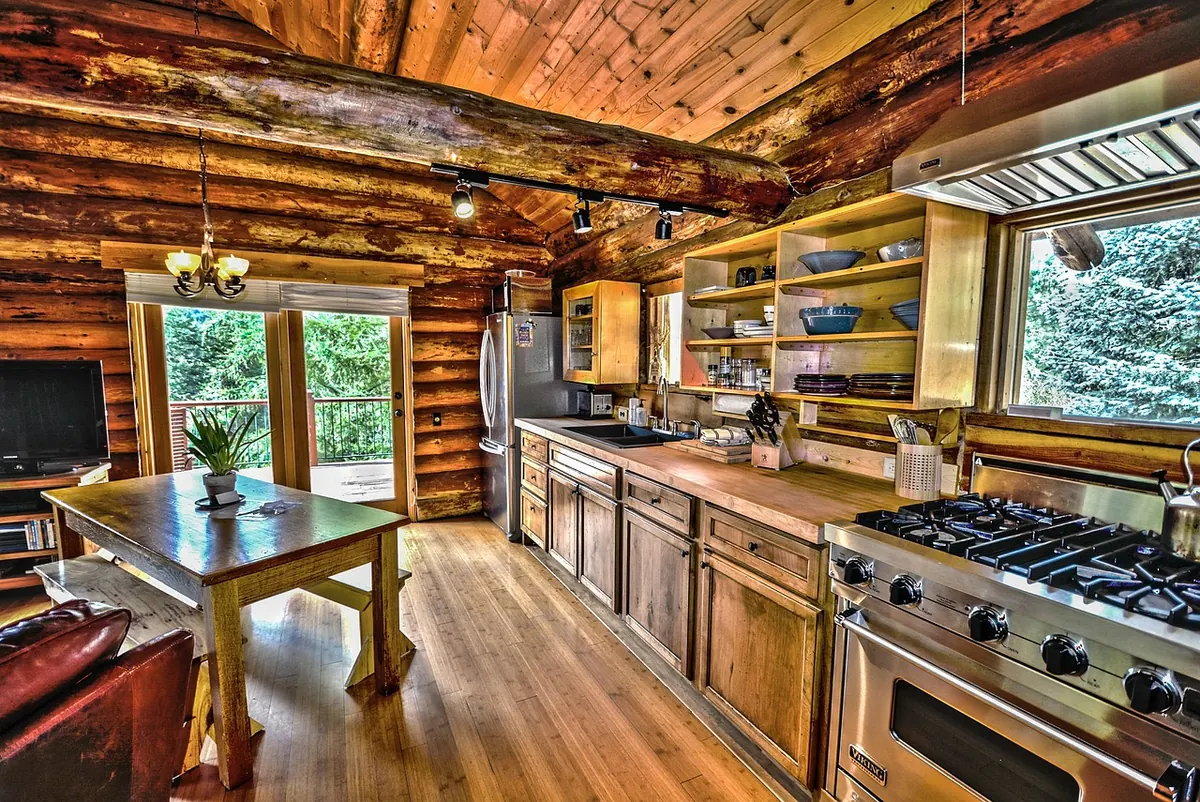
Cooking is consistently the biggest cause of accidental house fires in the UK, and renters have the least control over the room it happens in: appliances you did not choose, an extractor hood nobody has cleaned in years, and a shared hallway that matters enormously the moment you need to get out. Nearly all of it comes down to a few habits and a couple of jobs worth doing this week.
The good news is that kitchen fire safety in a rented flat does not require a renovation. It requires attention, a few cheap additions, and a clear idea of what to do when something goes wrong. It also requires you to know which problems belong to you and which belong to your landlord.
Leaving the pan is the mistake almost everyone makes
Cooking needs you from the moment the heat goes on until the moment it goes off. Trouble comes from the unattended minutes: the front doorbell, a delivery driver, a phone call, a child crying in another room, a pet under your feet, or the temptation to “just check one thing” on your laptop. A minute stretches. The oil starts to shimmer, then smoke, then catch.
It is not only chip pans and deep-fat fryers. A dry saucepan on a high ring can ignite. A tea towel left near a gas hob can catch. A grill pan full of fat can flare up while you are in the shower. Even a toaster can produce a surprising amount of smoke and flame if a crumb tray has not been emptied in months.
If you must leave the kitchen, turn off the heat first. If you cannot turn it off, take the pan off the ring. Do not rely on a timer to save you. Timers are useful, but they are not a substitute for staying in the room. If you are cooking after a drink, or when you are very tired, choose something that does not need close attention: a sandwich, a bowl of cereal, or a microwave meal you can watch.
The front door test
Before you answer the door, ask yourself one question: if I am not back in sixty seconds, what will this pan be doing? If the answer is “smoking” or “burning,” turn the heat off and move the pan to a cold ring. It takes two seconds and prevents the most common kitchen fire in the country.
Grease, oil and the chip pan trap
Fat and oil fires are the most dangerous kitchen fires because they spread fast and react violently to water. In a rented flat, you may also have a cooker hood directly above the hob, which can pull flames into the filter and ducting. That turns a small pan fire into a much bigger problem.
Never throw water on an oil or fat fire. Water sinks, turns to steam, and throws burning oil outwards. Instead, if it is safe to do so, turn off the heat and cover the pan with a lid or a fire blanket. Leave it covered. Do not move it. Do not carry it outside. Do not open the lid to check. If the fire is not out within a few seconds, get out and call 999.
- Never use water on an oil or fat fire. It can cause a fireball that burns your face, hands and arms.
- Use a lid or fire blanket. A metal lid works best. A fire blanket is a good second choice. Never use a glass lid if it might shatter.
- Turn off the heat if you can reach it safely. If the flames are already large, do not reach over them.
- Do not move the pan. Carrying a burning pan through a flat risks setting curtains, carpets and clothing alight.
- Get out and stay out. Close the kitchen door behind you if you can, then call the fire service.
If in doubt, get out, close the door behind you and call 999. A burnt pan is replaceable. You are not.
The extractor hood: the grease trap above your head
Extractor hoods are one of the most overlooked fire risks in rented kitchens. They collect grease in their filters and, over time, in the ducting. If a pan flames up, that grease can help the fire spread into the hood. In some flats, the ducting is shared or runs through a wall or ceiling, which makes it even more important to keep clean.
Many renters never touch the extractor because it is not theirs. That is understandable, but the filter is often designed to be cleaned or replaced by the occupant. Check the manufacturer's instructions or ask your landlord. If the filter is clogged with sticky brown grease, it needs attention. If grease is dripping down the hood, stop using it and report it as a repair.
What renters can reasonably do
- Check the filter once a month. If it is greasy to the touch, clean or replace it according to the instructions.
- Run the extractor whenever you fry, grill or use a high heat. It helps remove smoke and reduces grease build-up.
- Never remove the filter and use the hood without it. The filter is there for a reason.
- Report grease dripping, strange rattling, or a hood that smells hot or burning.
- Keep the hob clean. Baked-on grease and food debris can ignite just as easily as oil.
Appliances you did not choose
When you rent, you inherit other people's appliances. Some may be old, some may be cheap, and some may have been damaged by previous tenants. That does not mean they are all unsafe, but it does mean you should not assume they are fine. A frayed lead, a cracked plug, a wobbly toaster, or a microwave with a damaged door seal are all worth reporting before they become a fire.
Electrical fires in kitchens often start with overloaded sockets or extension leads. Kettles, toasters, microwaves, air fryers and coffee machines can draw a lot of power. Plugging several high-powered appliances into one extension lead is a recipe for overheating. If a plug or lead feels hot, smells scorched, or shows black marks, stop using it immediately.
Quick checks before you cook
- Look for scorch marks, melted plastic or blackened plugs on any appliance.
- Check that leads are not trapped, frayed or running under a hot hob.
- Keep toasters, air fryers and microwaves away from curtains, paper and tea towels.
- Do not overload sockets or daisy-chain extension leads.
- Clean crumbs and grease from the toaster, grill and hob regularly.
- If an appliance sparks, buzzes loudly or trips the electrics, unplug it and report it.
Smoke alarms, fire doors and shared hallways
In a rented flat, your kitchen is only part of the fire safety picture. The shared hallway, front door and smoke alarms matter just as much. A fire that starts in your kitchen can block your only exit. A fire in a neighbour's flat can fill the shared hallway with smoke. Fire doors are designed to hold that smoke and fire back for precious minutes, but only if they are closed and not propped open.
Test your smoke alarm at least once a week. If it is a sealed unit and it keeps beeping, report it. Never take the battery out because it goes off while you are cooking. If burnt toast sets it off regularly, open a window or use the extractor, but leave the alarm working. A working smoke alarm gives you time to act. A disconnected one gives you nothing.
- Test smoke alarms weekly. Press the test button until you hear the alarm.
- Never remove the battery or cover the alarm with a plastic bag or tape.
- Keep fire doors closed. Do not wedge them open, even for a few minutes.
- Keep shared hallways clear. Bikes, buggies, bin bags and shoes can block your escape and fuel a fire.
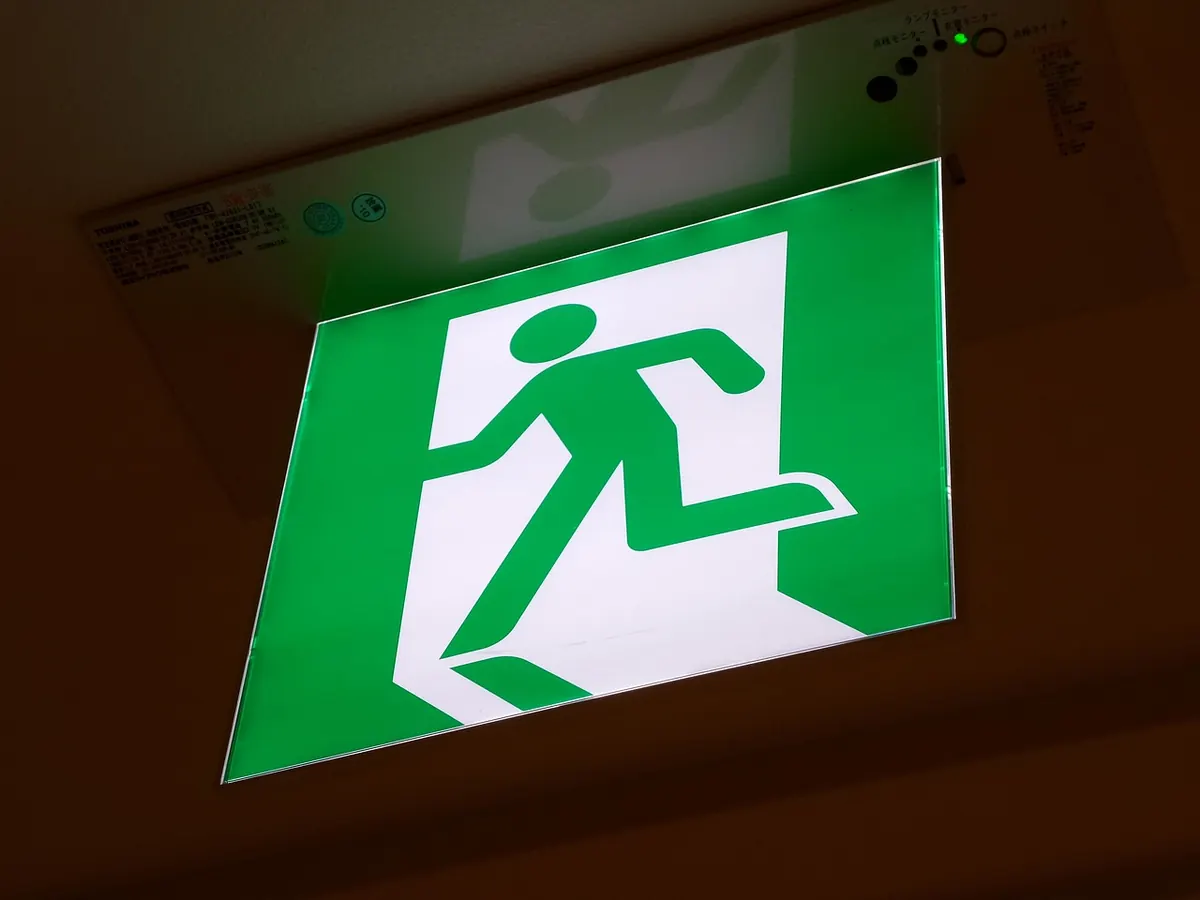
- Know your escape route. In a flat, that usually means your front door and the communal stairs. Count the doors between you and fresh air.
What to do if a kitchen fire starts
- Stay calm and assess. If the fire is small and contained, you may be able to smother it. If it is growing, leave immediately.
- Turn off the heat only if you can do so without reaching over flames.
- Cover the pan with a lid or fire blanket. Do not use water on oil or fat.
- Leave the kitchen and close the door behind you if it is safe.
- Alert everyone in the flat and get out through your normal escape route.
- Call 999 once you are outside. Give your address, flat number and what is burning.
- Stay out. Do not go back inside for possessions, pets or to check the pan.
If your clothes catch fire, stop, drop and roll. Do not run. If smoke is filling the flat, stay low and crawl if necessary. Smoke rises, so the cleaner air is nearer the floor. Once you are out, stay out and wait for the fire service.
A five-minute renter's kitchen fire safety routine
- Clear the hob and surrounding worktops of tea towels, paper, plastic bags and clutter.
- Check that your smoke alarm is working and not covered.
- Look at the extractor filter and note whether it needs cleaning.
- Check appliance leads for damage and unplug anything that looks unsafe.
- Make sure a lid or fire blanket is within reach of the hob.
- Confirm your escape route is clear and the front door opens easily.
- Remind everyone in the flat never to leave cooking unattended.
What to raise with your landlord
Renters sometimes worry that reporting a problem will cause trouble. In reality, a landlord has a legal duty to keep the property safe, and most would rather fix a faulty smoke alarm or greasy extractor than deal with a fire. Put your request in writing, with dates and photos if possible. If something is unsafe, ask for it to be repaired by a qualified person. Do not attempt electrical or gas repairs yourself.
Useful things to report include a smoke alarm that does not work, a fire door that does not close properly, an extractor hood that is clogged or broken, damaged electrical sockets, and any appliance that sparks, smokes or smells like burning. If you are in a block of flats, also report blocked communal exits or fire doors that have been propped open. These are not minor issues. They are the difference between a scare and a tragedy.
Final thought
Most kitchen fires in rented flats are not caused by reckless people. They are caused by ordinary distractions in a room that is easy to take for granted. The fix is not complicated: stay with the pan, keep grease and crumbs under control, test the alarm, keep fire doors closed, and know when
Photo: Hans / Pixabay
Related Articles