Training
Fire Marshal Training in the UK: A Beginner's Guide to Duties and Responsibilities
Most fire marshals never get near a fire. The role is far more about people than flames: noticing the fire door propped open with a wedge of cardboard, knowing which way a corridor runs when smoke is thick, and being the calm voice telling a room of colleagues that yes, they really do have to leave their laptops behind.
If you have been asked to take on the role, or you are the responsible person arranging cover for your premises, here is what training involves, how it compares with fire warden training, and what a live evacuation will ask of you.
What fire marshal training actually covers
A typical course runs for half a day to a full day, and most of it is practical thinking rather than legislation. You will cover how fire starts and spreads — the fire triangle of fuel, oxygen and heat — and how smoke and hot gases travel through a building far faster than most people expect.
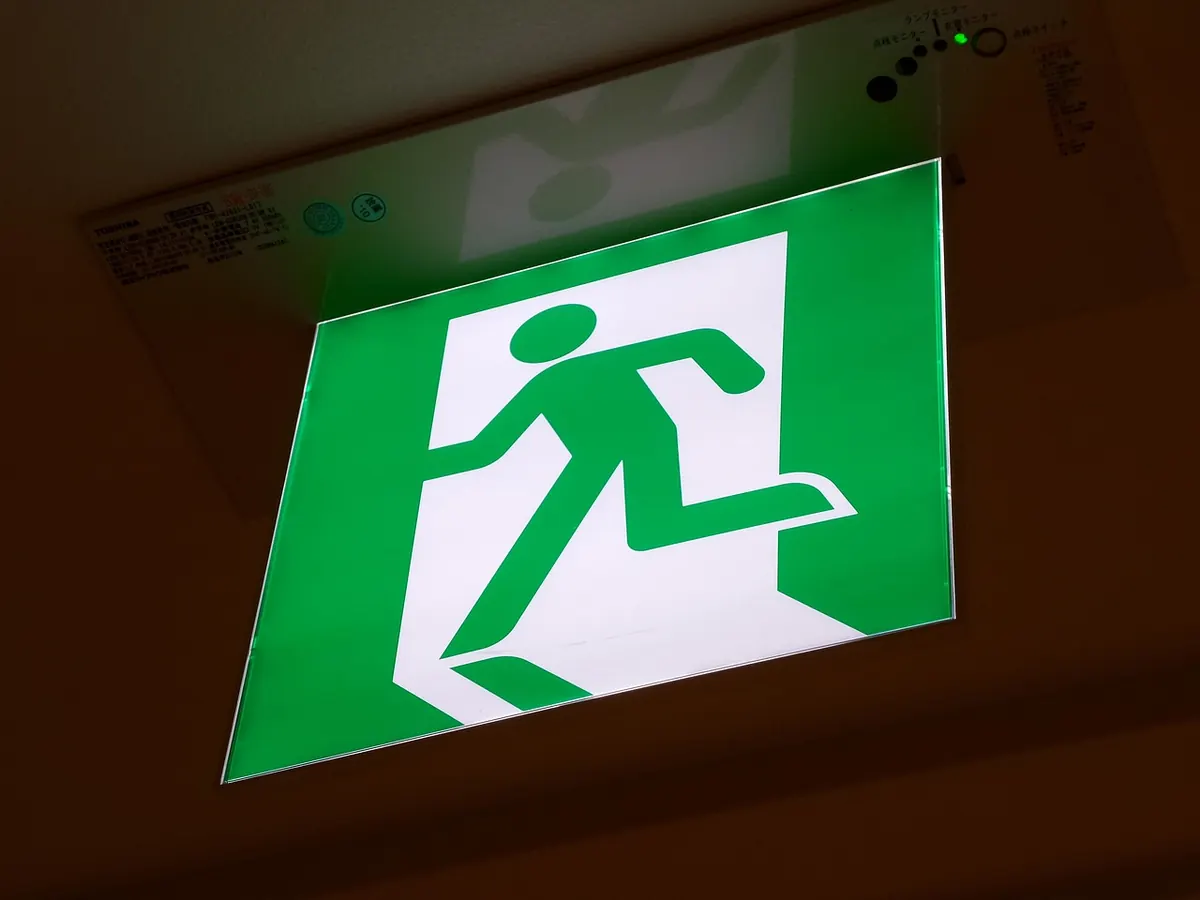
Then the session turns to your premises: escape routes, fire doors, signage, alarm sounders and where the assembly points sit. Expect to look at the equipment you might be asked to use, including water, foam, CO2 and dry powder extinguishers, plus fire blankets. You will learn which suits which kind of fire and, just as importantly, when the right answer is to walk away and let the fire service deal with it.
Good training also covers people who need extra help to get out, including anyone with a mobility issue, a sensory impairment or a condition that makes an alarm easy to sleep through. That planning is where a competent marshal earns their keep.
Fire marshal or fire warden: is there a difference?
The two titles are often used interchangeably, and in many workplaces they describe the same job. Where a distinction exists, it usually looks like this:
- Fire warden — the broader, more general role. Wardens keep an eye on day-to-day fire safety in their area, help with checks, and guide people out during a drill or a real alarm.
- Fire marshal — often a slightly more senior or more coordinated version, expected to lead a sweep, account for people at the assembly point and report back to the responsible person or the fire service.
Training providers split the two roles in different ways, and there is no single national job description. What matters is that your workplace knows who is doing what on the day. A tidy plan on paper is useless if two people both assume someone else has checked the toilets.
What the practical session involves
The hands-on part is where most people learn the most. Depending on your provider and your premises, you may:
- Discharge a live extinguisher onto a controlled tray fire, usually outdoors.
- Practise the PASS technique — pull the pin, aim at the base, squeeze the handle, sweep side to side.
- Walk your own escape routes and spot the gaps: exits that stick, corridors used for storage, signs hidden behind a coat rack.
- Take part in a simulated evacuation, sweeping rooms, closing doors behind you and meeting at the assembly point.
- Talk through what you would do if the route you had planned to use was the route on fire.
Some employers combine an online theory module with a short face-to-face session for the practical work. That can work well, but the practical part has to actually happen. Reading about extinguishers is not the same as holding one.
Your duties once you are back at work
Training is only the start. Between alarms, a fire marshal is usually the person who notices things first. A sensible routine includes:
- Checking that fire doors close properly and are never wedged open.
- Keeping escape routes, corridors and stairwells clear.
- Confirming extinguishers are present, undamaged and not quietly relocated.
- Knowing who is in your area, including visitors and contractors.
- Showing new starters the exits and the assembly point.
- Reporting faults — failed emergency lighting, broken call points, damaged signs — to the responsible person without delay.
Under the Regulatory Reform (Fire Safety) Order 2005 in England and Wales, with equivalent duties elsewhere in the UK, the responsible person must appoint enough competent people to help with fire safety. The legal duty sits with them, but much of the daily work lands on you. If you are unsure how far your responsibilities extend, ask for the written arrangements for your building rather than guessing.
What to expect during a live evacuation
Real evacuations are messier than drills. People ignore alarms, finish their sentence, take a phone call, and head for the main entrance because that is the way they arrived.
As a marshal, your job is to move against that flow. Sweep your area methodically, checking meeting rooms, toilets and store cupboards. Close doors behind you where it is safe to do so — a closed fire door holds back fire and smoke for valuable minutes. Send people towards the nearest safe exit and make sure nobody uses a lift. At the assembly point, help with the roll call, tell whoever is coordinating what you found, and stay put. Nobody re-enters the building until the fire service says so, however loudly someone insists their keys are on the desk.
Then comes the part people skip: the debrief. Note what worked, what confused people and what needs fixing. That feedback is how the next evacuation gets better.
Making the role count
Fire marshal certificates do not carry a legal expiry date, but that does not mean you can file yours away for a decade. Many employers refresh training every one to three years, and any change of premises, layout, staffing or procedures is a good reason to revisit it sooner. If you are unsure what your building needs, ask a competent fire risk assessor — they will look at your actual risks rather than a generic checklist.
Three things worth doing this week: walk your escape route with fresh eyes, check that every fire door in your area genuinely closes, and make sure you could point to the assembly point without looking it up. That is the job in miniature, and it is what turns a certificate on the wall into a safer building.
Photo: jarmoluk / Pixabay
Related Articles