Fire Prevention
Seasonal Fire Safety for UK Holiday Lets: A Month-by-Month Checklist for Peak Bookings
Fire risk in a UK holiday let moves with the seasons. A Peak District cottage with a wood burner is a different proposition in January from the same building in July, when the danger shifts outside to a disposable barbecue left on timber decking. Guests arrive without knowing the property, tired and distracted, and they bring habits that do not always travel well.
What follows is a seasonal sweep: the checks that matter at each point, and the notices that help guests act sensibly.
Winter: heating, chimneys and cold-weather habits
Solid fuel is the biggest seasonal shift. Guests who have never used a stove may not understand the air controls, and a determined attempt to get one going with cardboard and damp wood can spill smoke into the room or send flames up the flue. Leave a plain-English guide beside the stove, provide a fire guard, and make sure ash goes into a metal container outdoors, well away from the building. Embers stay hot far longer than people expect, and a wheelie bin can smoulder for hours.
Book a chimney sweep for any appliance you burn solid fuel in. How often it needs doing depends on the fuel and how heavily it is used, and a registered sweep will advise. Store logs dry and well away from the stove itself.
Portable heaters need a metre of clear space from bedding, curtains and drying clothes, and should never run in a room where someone is sleeping.
Spring: servicing, alarms and clear escape routes
Use the quiet weeks after the heating goes off for the jobs that are easy to postpone. Have gas appliances serviced by a Gas Safe registered engineer, and test every smoke alarm, including the one on the landing outside the bedrooms. If they are interlinked, test the whole system rather than one unit.
Then walk your own escape route as a guest would. Are the stairs clear? Is spare bedding stacked in the hall? Do the fire doors close fully, or has a self-closer been wedged open? Check seals and hinges too. Fire blankets and extinguishers should be in date and checked as the manufacturer advises, and whoever cleans the property should know how to report one that has been used.
Summer: barbecues, balconies and dry ground
Summer risk moves outdoors. Barbecues should never be used indoors, in a tent, in a porch or in a garage, and they need clear space around them, away from fences, parasols and timber decking. Keep a bucket of water or sand within reach.
Disposable trays are the ones that catch people out. They stay hot long after the food is finished, and tipping one into a bin, a hedge or a dry flowerbed is a common way to start a fire. Your house rules should say where a barbecue may be used and where the coals should go. Many apartment blocks, marinas and holiday parks ban them on balconies, so check the site rules and repeat them in the welcome pack.
Gas cylinders belong upright, outdoors, away from heat, with the valve off when not in use. Fire pits and patio heaters need the same clearance again. In a dry spell, grass and gorse carry fire quickly; keep candles in glass lanterns, and leave sky lanterns and fireworks off the menu.
Christmas and New Year: trees, lights and candles
December packs a lot of ignition sources into a small space. A real tree should stand in water, away from radiators and any stove or open fire, and should never carry candles. Tinsel and paper decorations go nowhere near a fire surround or a hot bulb.
Check fairy lights before they go up: look at the plug, the flex and the transformer, and bin anything with taped repairs, exposed wire or a scorch mark. Switch them off when the property is empty and overnight. Do not chain extension leads together or run the whole display from one socket.
Decorations should not cover smoke or heat alarms, block a hallway or stop a fire door closing. Tea lights need a stable, heat-resistant holder on a clear surface, well away from cards and wrapping paper. Wrapping paper should never go into a wood burner, where it can flare and send burning fragments up the flue. Fireworks and sky lanterns are prohibited on most sites and many individual properties, so say so before guests book.
Guest fire notices: what to include and where to put them
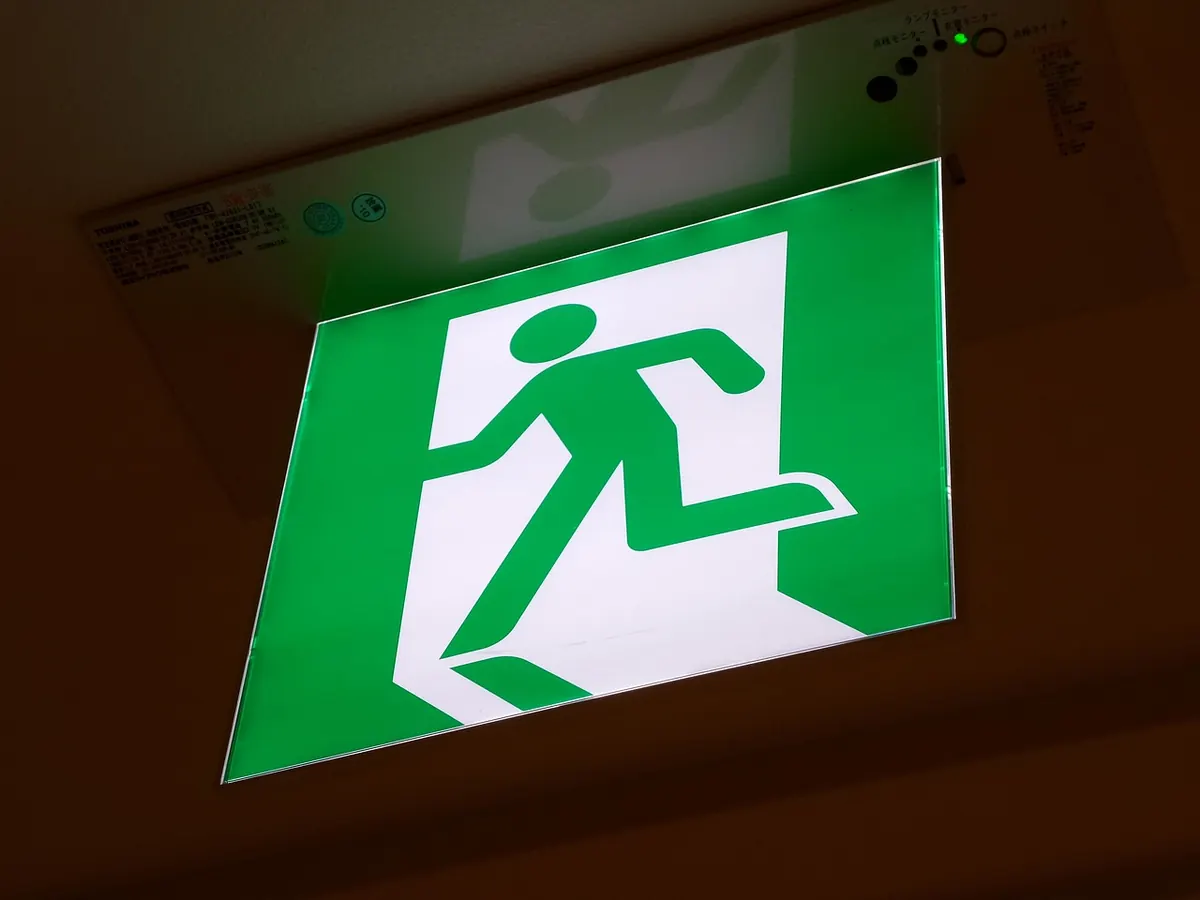
A guest who has never stayed in the property needs three things quickly: what the alarm sounds like, how to get out, and where to meet.
Put a short laminated notice at eye level in the hallway, a second copy in the kitchen, and repeat it in the welcome folder and the pre-arrival message. Keep it to plain English, short lines and a simple floor plan rather than paragraphs of regulation.
- What to do when the alarm sounds, including checking a door for heat before opening it
- The route out and the meeting point outside
- How windows, security locks and any bars open, and where keys are kept
- Where the fire blanket and extinguishers are, and what they are for
- No smoking or vaping indoors, plus your barbecue, candle and heater rules
- Anything relevant for guests with children or mobility needs in the group
Fire safety duties for short-term lets differ across the UK and depend on the property and how it is let. If you are unsure what applies, ask your local fire and rescue service or a competent fire risk assessor rather than relying on a template.
A month-by-month checklist for the booking calendar
- January and February: test alarms during lets, check portable heaters and where guests dry clothes, empty ash safely
- March: book the chimney sweep, service gas appliances, replace alarm backup batteries
- April: walk the escape route, clear the hallway, check fire doors and self-closers
- May: test the whole alarm system, check extinguisher and fire blanket dates, add barbecue rules to the welcome pack
- June to August: check the barbecue area at every changeover, store gas cylinders properly, watch for dry ground
- September: service the boiler, check electric blankets and throws, confirm the fire guard is in place
- October and November: sweep the chimney if due, test smoke and carbon monoxide alarms, give heaters clear space
- December: inspect fairy lights, keep decorations clear of alarms and exits, brief guests on candles and stoves
Keep it in the changeover routine
Most of this is small and repetitive, which is exactly why it slips. Back-to-back bookings leave twenty minutes between guests, and in that window it is easy to change the beds and forget the alarm test.
Give your housekeeper a one-page changeover fire check: alarms tested, escape route clear, fire doors closed, coals emptied and cooled, stove and heater instructions back in place, nothing covering a detector. Ask them to log anything broken rather than quietly fixing it, so you know when a blanket or extinguisher needs replacing. Ten minutes per changeover and one sweep a year will do more for safety than any amount of paperwork.
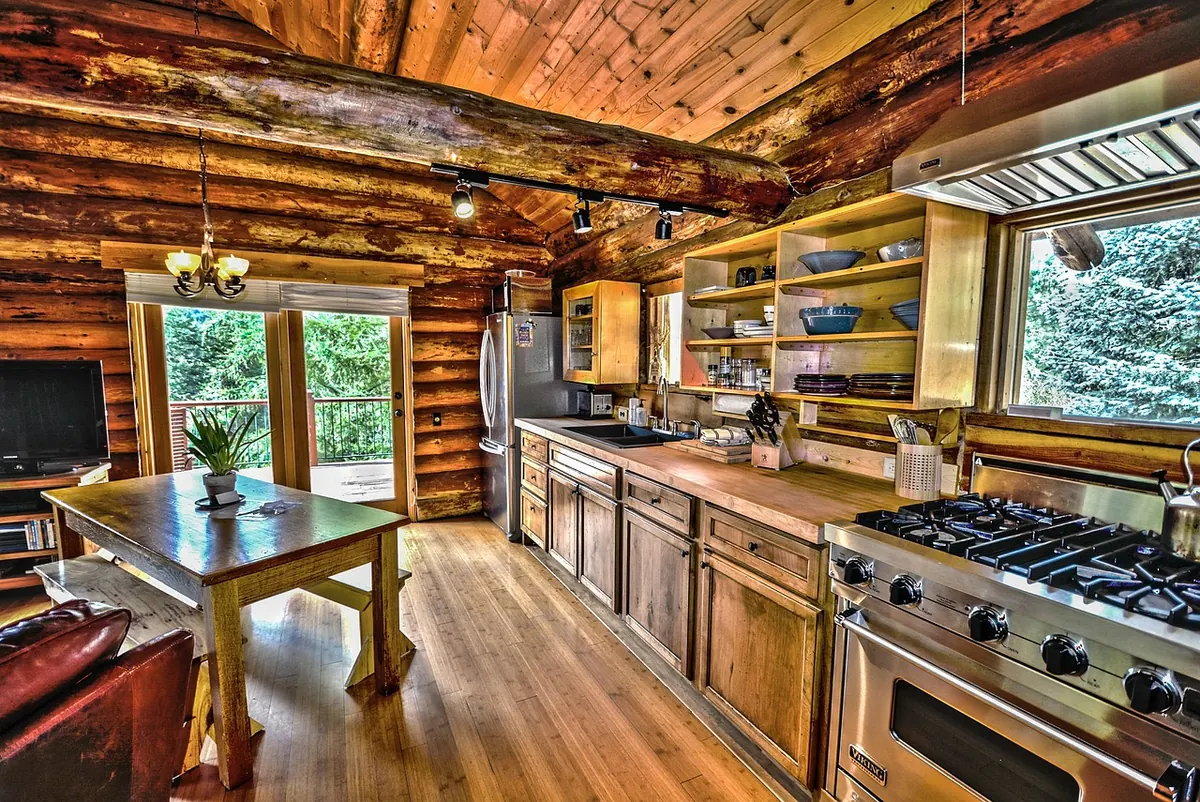
Photo: user32212 / Pixabay
Related Articles