Fire Prevention
How to Conduct a Fire Risk Assessment for a UK Small Business: Step-by-Step
Most small business owners in the UK are legally required to carry out a fire risk assessment, and the phrase itself makes the job sound far more daunting than it is. The law asks for something practical: a careful look at your premises, a written record of what you find, and sensible action to deal with it. You do not need a laboratory or a clipboard of jargon. You need an hour, a notebook, and the honesty to look behind the photocopier.
Who is responsible, and what counts as suitable and sufficient?
Fire safety law across the UK places duties on a named person — usually the employer, the owner, the occupier, or someone with control of the premises. In practice that is you, or a manager you have formally appointed, with the work written down and the findings acted upon.
An assessment is "suitable and sufficient" when it reflects your actual premises, the work carried out there and the people who come through the door. A template downloaded from a website is a starting point; a completed one that says nothing about your commercial kitchen, your storage racking or a staff member who uses a wheelchair is not. Keep it proportionate — a single-room office needs far less detail than a workshop holding solvents and gas cylinders.
Step 1: Identify the fire hazards
Fire needs three things: a source of ignition, something to burn, and oxygen. Walk through your premises and look for all three — the risk lives where they meet.
- Ignition sources: fixed and portable electrical equipment, especially anything old or damaged; heaters tucked under desks; overloaded sockets and extension leads; cooking equipment and grease-heavy extraction; smoking materials, candles and tea lights; hot works such as welding, grinding or paint stripping.
- Fuel: paper, card and packaging in storerooms; the waste bin left full overnight; soft furnishings and curtains; cleaning chemicals, aerosols, paints and solvents; LPG cylinders; pallets and external storage stacked against the wall.
- Oxygen: usually just the air around you, but watch for anything that increases it — medical oxygen, oxidising chemicals, or ventilation that would feed a fire with a steady draught.
Ask yourself what could start a fire, what would feed it, and how fast it would spread. A waste bin next to a heater matters more than either one on its own.
Step 2: Identify the people at risk
Everyone inside the building is at risk, but not equally. Think about:
- Employees, including part-timers, agency staff and anyone working alone or out of hours
- Customers, clients and delivery drivers who do not know the layout
- Contractors and maintenance staff, who often work with heat or in plant rooms
- People with mobility, sight or hearing difficulties, and anyone who would need help to evacuate
- Anyone sleeping on the premises — a flat above the shop changes everything
- New and young workers, who are least familiar with your procedures
Then add context. Where are people concentrated at the busiest time of day? Could a delivery or a stock cage block a route out? Who would notice a fire first, and who would be last to hear an alarm?
Step 3: Evaluate, remove, reduce and protect
Work through the hazards in this order: remove the risk if you can, reduce it if you cannot, and protect people from whatever remains.
Remove and reduce
Empty waste bins nightly and store them away from the building. Keep flammables in a locked metal cabinet, away from ignition sources. Replace damaged leads rather than taping them up. Swap portable heaters for fixed heating where possible. Operate a permit system for hot works. Keep storage out of escape routes, and never wedge a fire door open — if it needs to be held, fit a device that releases on the alarm.
Protect
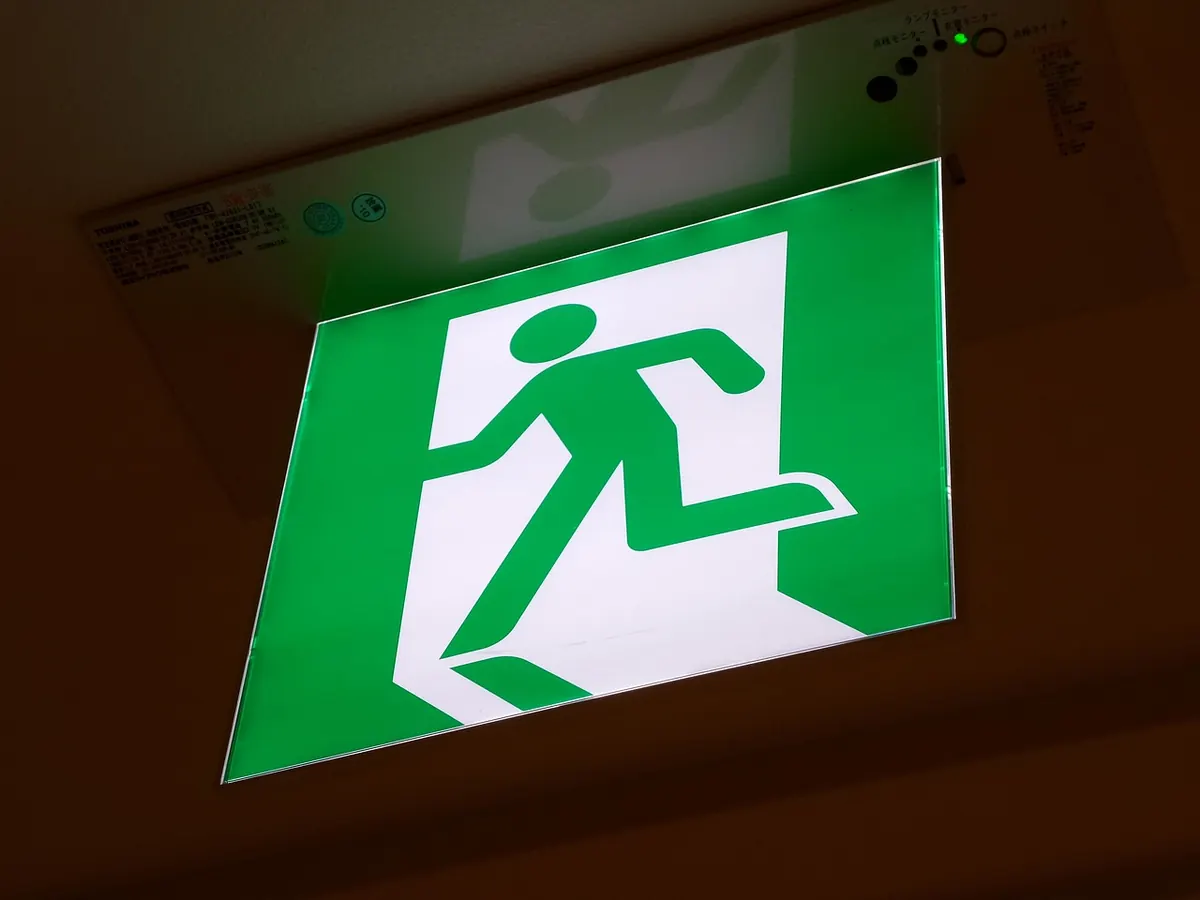
Ask how people would know there was a fire. Detection linked to a warning that can be heard above machinery or music is the baseline; manual call points should sit on escape routes, and notices should tell people what to do. Escape routes must stay clear, with emergency lighting on stairs and corridors. Extinguishers should match the risks present and be serviced regularly, with fire blankets in kitchens. Where a risk cannot be made acceptable, change the way you work instead of living with it.
Step 4: Record, plan, inform, instruct and train
If you employ five or more people — and in some licensed or specially notified premises regardless of size — you must record your significant findings. Even where it is not required, write it down. A record proves what you did and reminds you what you have not finished yet. Include the date, who carried out the assessment, the hazards found, who is at risk, the measures already in place, and the actions still outstanding with a deadline and a named owner.
Your emergency plan should cover:
- How a fire would be discovered and how the alarm is raised
- Who calls the fire and rescue service, and from where
- Escape routes and the assembly point
- How you will account for everyone, including visitors and contractors
- Who assists anyone who needs help to evacuate
- When it is reasonable to tackle a small fire, and when to simply get out
- Isolating gas, electricity and machinery where that is safe to do
Then train people. Induction for new starters, refresher sessions, and drills at least once a year. A drill that nobody takes seriously teaches your team exactly how little it matters — so time it, walk the routes, and talk about what was slow.
Step 5: Review and keep it current
An assessment in a drawer is already out of date. Review it whenever something changes: new premises or a refit, new equipment or processes, more staff, a different mix of people using the building, or the aftermath of a near miss or a small fire. An annual check is a sensible baseline; busier or higher-risk sites should look again more often.
Making it work in practice
Keep the document short enough that you will actually read it. For most small businesses, a page per area is plenty. Photograph problems as you fix them and keep servicing and training records together — they show an enforcing officer that you did what you said you would.
If your premises are complex, high-risk or you simply are not confident, bring in a competent fire risk assessor. Your local fire and rescue service can offer general guidance, and your insurer or trade body may have sector-specific checklists. Whoever writes the assessment, the duty to act on it stays with you. This is general guidance rather than legal advice, so take professional advice if you are unsure about your obligations.
A fire risk assessment is not a badge you earn once. It is a habit: a walk round, two or three questions, a note in the file. Clear the escape route today and you have already done the most valuable part of it.
Photo: HarinathR / Pixabay
Related Articles